


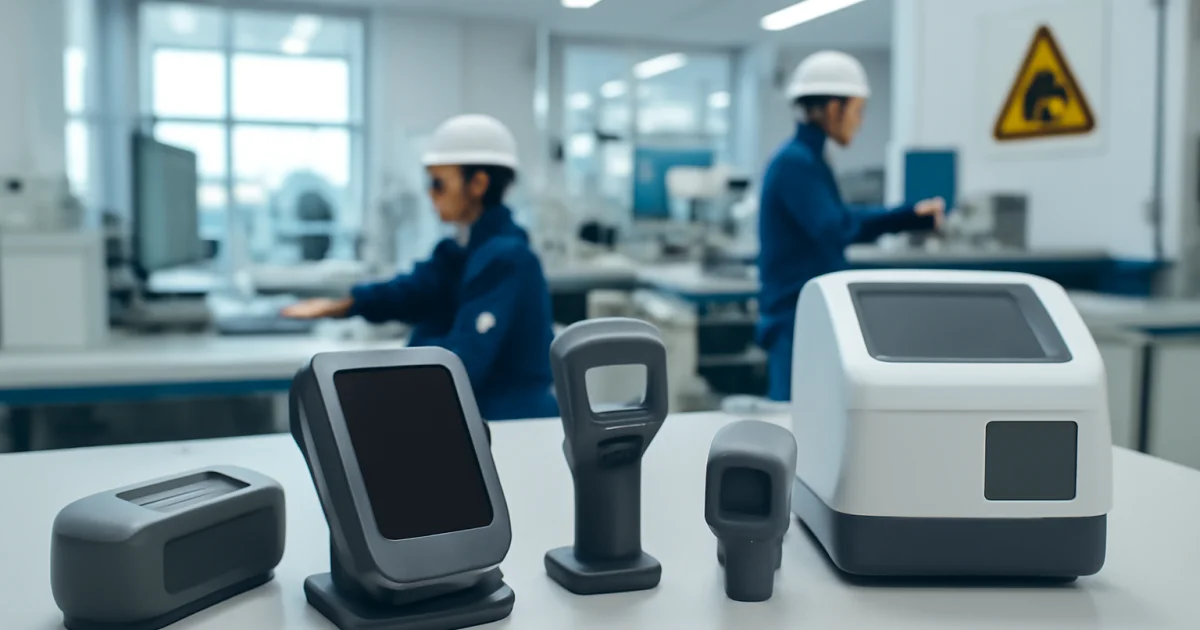


Understanding Quality Control Instruments: What Malaysian Manufacturers Need to Know
In Malaysia’s fast-evolving industrial sector, quality and consistency are non-negotiable. Whether manufacturing paints, plastics, automotive parts, chemicals, or advanced materials, maintaining rigorous standards is crucial for competitiveness and compliance. For this reason, quality control instruments play a pivotal role in every production and laboratory environment. But what exactly are these instruments, how do they work, and why should Malaysian manufacturers care? For readers comparing options, quality control instruments supplier Malaysia is the main topic this guide explains.
What Are Quality Control Instruments?
Quality control (QC) instruments are specialised devices designed to measure, test, and analyse physical, chemical, or visual properties of raw materials and finished products. These instruments help ensure products meet required standards—be it colour accuracy, gloss, viscosity, thickness, strength, or durability. For manufacturers in Malaysia, investing in the right QC equipment means reduced defects, lower rework costs, and more reliable product performance.
Key Types of Quality Control Instruments in Malaysian Industries
Different industries require different QC tools. Here are some commonly used instruments in Malaysian manufacturing:
- Spectrophotometers: Used to measure colour consistency and accuracy, spectrophotometers are vital for paint, coating, and plastic producers.
- Gloss Meters: These measure surface gloss to ensure coatings and plastics achieve the desired finish. Explore new gloss meters.
- Viscometers: Essential for assessing the flow properties of liquids and pastes, such as paints, resins, and coatings.
- Film Thickness Gauges: Instruments like dry film thickness gauges help manufacturers verify coating thickness for quality and compliance. See dry film thickness gages.
- Density Cups: Used to measure the specific gravity of liquids, crucial for formulation and quality control. Learn about ASTM density cups.
- High-Speed Mixers & DISPERMAT: Advanced dispersing and mixing systems, such as DISPERMAT, are widely used for laboratory and production-scale material preparation.
- Physical Testing Machines: These include tensile testers, impact testers, and hardness testers for evaluating the mechanical properties of materials and products.
- Testing Chambers: Simulate environmental conditions such as UV exposure, temperature changes, and humidity to assess long-term product durability.
How Quality Control Instruments Work
Each instrument is engineered to provide precise and repeatable measurements. For example, a spectrophotometer analyses light reflected from a surface to quantify colour values, while a viscometer measures resistance as a fluid flows through or around a spindle. Film thickness gauges use magnetic, eddy current, or ultrasonic principles to measure coating layers without damaging the substrate.
Most QC instruments are designed for ease of use and standardisation, allowing operators to run tests according to ASTM, ISO, or other international standards. This ensures data consistency and facilitates regulatory compliance—vital for Malaysian exporters and local manufacturers alike.
Why Quality Control Matters for Malaysian Manufacturers
Consistent quality is essential for building customer trust, meeting contractual requirements, and reducing costly production errors. Here’s why robust quality control is especially important in Malaysia:
- Stringent Industry Standards: Many sectors, from automotive to chemical manufacturing, require compliance with local and international quality standards.
- Export Competitiveness: Reliable QC ensures products meet the expectations of international buyers, supporting Malaysian companies in global markets.
- Process Optimisation: Accurate measurement tools help identify process inefficiencies, reduce waste, and improve overall productivity.
- Innovation and R&D: Modern QC instruments accelerate research, allowing R&D and product development teams to test new formulations or materials with confidence.
Choosing the Right Quality Control Instruments Supplier in Malaysia
Selecting a dependable QC instruments supplier is just as important as choosing the right equipment. Here’s what to consider:
- Industry Experience: Opt for suppliers with decades of local expertise who understand the challenges Malaysian manufacturers face.
- Authorised Brands: Look for distributors who are authorised by international manufacturers, ensuring genuine products and reliable support.
- Range of Solutions: A specialised supplier can provide a complete suite of instruments for colour, appearance, thickness, viscosity, and more.
- Technical Support: Beyond equipment supply, leading partners offer application consultation, product training, and ongoing maintenance.
- Compliance and Standards: Ensure instruments meet ASTM, ISO, or other relevant standards required in your industry.
For example, Plasmost Enterprise Sdn. Bhd. has served Malaysian industries since 1994, offering quality control solutions from laboratory to production scale. Their expertise encompasses colour measurement, gloss analysis, high-speed mixing, film thickness inspection, and much more. With coverage across Penang, Kuala Lumpur, and the rest of Malaysia, their team provides end-to-end support for manufacturers seeking consistent quality and compliance.
Practical Applications: Quality Control Across Sectors
Let’s look at how various Malaysian industries use QC instruments:
- Paint & Coating Manufacturers: Use spectrophotometers, gloss meters, and dry film thickness gauges to ensure colour uniformity and optimal coating performance. See more about dry coatings and plastic testing.
- Plastic & Polymer Producers: Rely on colour measurement tools, haze meters, and physical testers to maintain product consistency and durability.
- Automotive Parts Manufacturers: Employ appearance measurement and film thickness gauges to meet stringent OEM standards for both aesthetics and function.
- Chemical & Formulation Labs: Use density cups, viscometers, and advanced mixers like DISPERMAT for precise formulation and repeatable testing.
- Quality Control Labs: Require a broad range of QC instruments for regular inspection of incoming materials, in-process samples, and finished goods.
For deeper insights, explore related topics such as spectrophotometers and impact testing in plastics and metals.
Conclusion: Investing in the Right QC Instruments for Malaysian Success
For Malaysian manufacturers, quality control is not just about meeting minimum standards—it’s about building a reputation for excellence and reliability. By understanding how QC instruments work and choosing a trusted supplier, companies can reduce defects, optimise processes, and confidently expand into new markets. Whether you are a paint formulator, a plastic manufacturer, or an automotive supplier, investing in modern QC tools is an investment in your company’s future growth and competitiveness.
Frequently Asked Questions
What are the essential quality control instruments for Malaysian manufacturers?
Essential quality control instruments include spectrophotometers for colour measurement, gloss meters for surface finish, viscometers for fluid analysis, dry film thickness gauges for coating inspection, density cups for specific gravity measurement, high-speed mixers like DISPERMAT for material dispersion, and various physical testers for mechanical property evaluation.
How do I choose the right quality control instruments supplier in Malaysia?
Look for suppliers with extensive industry experience, authorisation from reputable international brands, a wide range of QC solutions, comprehensive technical support, and instruments that comply with recognised standards like ASTM and ISO. Ensure the supplier can provide after-sales service and training tailored to your industry needs.
Why is using a dry film thickness gauge important in paint and coating industries?
A dry film thickness gauge is crucial for verifying that coatings meet specified thickness requirements, which directly impacts product durability, appearance, and performance. In Malaysia, this is especially important for industries such as automotive, construction, and manufacturing, where consistent coating quality is essential.
What are density cups used for in quality control processes?
Density cups are used to measure the specific gravity of liquids, such as paints, inks, and chemicals. Accurate density measurement ensures correct formulation, helps maintain product consistency, and supports quality assurance in manufacturing and laboratory environments.
What advantages does partnering with an authorised QC instruments supplier offer?
Partnering with an authorised supplier ensures you receive genuine products, manufacturer-backed warranties, and access to technical expertise. It also means reliable maintenance, calibration services, and product training, all of which help maximise the performance and lifespan of your QC instruments.
Ready to Elevate Your Quality Control Standards?
Choose Plasmost Enterprise Sdn. Bhd. as your trusted partner for quality control instruments in Malaysia. With over 30 years of industry experience, authorised international brands, and a comprehensive range of solutions for measurement, testing, and mixing, our team supports you from laboratory to production. Discover how our expertise can help your business achieve excellence and compliance in every batch.